Field notes
Opinions, hot takes, product updates, and behind-the-scenes from the TrakMac team. Posts are dated and reflect what we think now — they're not the encyclopedia. For evergreen nutrition answers that don't change month to month, see TrakMac Knowledge.

How Long Should You Track Macros? When to Stop
You do not have to track macros forever. Learn the signs you have learned enough, and how to keep hitting your protein once you ease off the app.
-

How to Track Macros While Traveling, No Barcodes | TrakMac
Airports, restaurants, and hotels have no labels and no scale. Here is how to track macros while traveling by describing what you ate and keeping protein first.
-

Healthy Tracking or Disordered Eating: How to Tell
Food tracking is a tool that can be used well or badly. Here are the honest signs it is helping you, and the signs it has started running you.
-

Why Maintenance Is Harder Than Cutting
Getting the result has a finish line. Keeping it does not. Here is why holding steady is the hard part, and the light habit that makes it doable.
-

Are Eggs Actually Healthy? What the Research Says
Are eggs healthy? Yes, for most people. The old cholesterol scare, what the research shows now, and why eggs are one of the cheapest ways to hit your protein.
-

Cheapest Protein Per Dollar: High Protein on a Budget
The cheapest protein per dollar, ranked from dried lentils and eggs to whey, so you can hit a high daily target without wrecking your grocery budget.
-

Voice vs Photo Food Logging: Which Is More Accurate?
A photo cannot see fat, sauce, or oil. See how voice vs photo food logging compares, where talking wins, and where neither method gets you close.
-

Tracking Macros With ADHD Without the Chore
Food diaries fall apart when follow-through is hard. Why a say-it-out-loud tracker is easier to keep going, and how to build a habit that actually survives.
-

Protein Maxing: What the Research Says
The protein trend is half right. Most people undereat it, but past a point more grams stop buying more muscle. Here is where that line sits.
-

How TrakMac calculates your macro targets
A plain-language look at how your training answers and body stats become a calorie number and a protein floor, and why it is not a black box.
-

Macros for Shift Workers: Protein on No Schedule
Your shifts rotate and your meals scatter, but your protein total does not have to. How to hit macros when there is no normal clock to build them around.
-

How Protein Needs Change by Age
What a woman who trains should actually eat in grams per kilo through her 40s, 50s, and beyond, and why the number climbs.
-

TrakMac vs MyFitnessPal: An Honest Comparison
MyFitnessPal is a giant food database you search. TrakMac is a voice-first tracker you talk to. Here is the honest comparison, and who each one is actually for.
-

High Protein Frozen Meals for Fast Weeknight Dinners
The best high protein frozen meals for busy weeknights, each with 25g or more protein and verified macros, plus fresh-delivery picks worth keeping in rotation.
-

Clean Meal Replacement Shakes That Aren't Junk | TrakMac
The best clean meal replacement shakes with real protein and honest macros, reviewed for sane ingredients so you have a solid floor on a skipped-meal day.
-

Best High-Protein Costco Finds for the Whole Family
Real high-protein Costco finds with actual macros per serving, so the whole family stays fed and your protein stays high without cooking every single night.
-

Can You Stir Protein Powder With a Spoon? Yes, Here's How
Yes, you can stir protein powder with a spoon if you pick the right one. These no-blender picks dissolve clean in cold water, with real macros and prices.
-

Collagen vs Whey vs Plant Protein: What Builds Muscle
Collagen, whey, and plant protein are not interchangeable for muscle. See what the leucine and DIAAS research says, plus one honest pick per category.
-

Protein Bars Under 200 Calories, Ranked by Protein
These protein bars under 200 calories all deliver at least 15g of protein, ranked by protein per calorie with verified macros so you spend your daily room wisely.
-

Protein Powder for Single Parents, No Blender Needed
The best protein powder for single parents: high-protein, low-sugar shakes you can mix without a blender or grab from the fridge between the school run and work.
-

5 High-Protein Breakfasts You Can Make in Under 5 Minutes
Five fast, real breakfasts that each hit 24 to 42g of protein in under five minutes. Verified macros, a protein-per-breakfast table, and how to log any of them by voice in 8 seconds.
-

Low-Sugar Protein Bars That Use Sweeteners, Not Sugar
The best low sugar protein bars swap most of the sugar for sweeteners, staying under 3g. Taste-tested and ranked with real macros and honest sweetener notes.
-

High-Protein Greek Yogurt, Ranked by Protein Per Cup
Every high protein Greek yogurt here is ranked by protein per cup, with added sugar noted honestly from the current label so you can buy the cup that earns it.
-

Protein Coffee, Ranked by Protein, Caffeine, and Sugar
Find the best protein coffee for busy mornings, ranked by real protein, caffeine, and sugar. Grab-and-go cans and mixes I actually keep in rotation.
-

Strength Training After 40: A Simple Starter Plan for Busy Women
A no-fluff strength training starter plan for busy women: a 2-3x/week full-body template, how to progress, and the protein target that makes it stick.
-

Best Plant-Based Protein Bars, Ranked by Real Macros
The best plant-based protein bars, ranked by real macros. Honest notes on protein, sugar, fiber, and texture, including how GoMacro and Orgain compare.
-

MyFitnessPal Alternatives for Tracking Protein
MyFitnessPal is a database built for general tracking. If your goal is hitting protein without the busywork, here is what to use instead and why.
-
Best Macro Tracker for Women Who Strength Train
The best macro tracker for women who strength train is the one you still use in week ten. What to look for, plus why generic targets miss when you train for strength.
-

How Much Protein Do You Actually Need in Your 40s?
The real protein number for people who train in their 40s: how many grams per pound, why it beats the RDA, a target table by bodyweight, and how to hit it.
-
How Much Protein Per Pound? It Depends How You Train
One gram of protein per pound works if you're average. If you train hard for strength, your target should come from how you train, not just the number on the scale.
-

Why Macro Calculators Are Wrong if You Lift Weights
Standard macro calculators ask your age, height, and weight but never how you train. Here is why that makes them wrong for women who lift, and what to do.
-

High-Protein Snacks That Survive a Day in Your Bag
The best high-protein snacks for your bag that survive a warm day without melting, leaking, or needing a fork, with real protein numbers and honest taste notes.
-

Best Protein Powders for Women Who Train, Ranked
The best protein powders for women who train: high protein per scoop, low junk, mixes clean, tastes good. Real whey, isolate, and plant picks with verified macros.
-

Bone Density Exercises: Why Lifting Beats Walking Alone
Walking barely signals your skeleton. See the bone density exercises that actually load bone, why they work, and how to feed the adaptation with enough protein.
-

Build Muscle After 40: What Actually Changes for Women
You can build muscle after 40. See what really changes with protein, progression, and recovery, plus the three levers that do the work at every age.
-

Yes, You Can Build Muscle After 50. Here's the Evidence.
Resistance training studies in women from their 50s through their 70s show meaningful strength and muscle gains at every starting point. What the evidence says, and what to expect month by month.
-

Savory Cottage Cheese Bowls: 3 High-Protein Recipes
Three savory cottage cheese bowls with about 25g protein each and almost no prep: a Mediterranean bowl, an everything-bagel bowl, and a hot-honey harvest bowl.
-

Strength Training for Women Over 40: Month-One Plan
A week-by-week strength training plan for women over 40 returning to the gym: two full-body sessions building to three, four key lifts, and the protein to recover.
-

High Protein Breakfast Ideas That Take 5 Minutes
Eight real high protein breakfast ideas that hit 25 to 35g of protein in five minutes or less, because the morning you have is the one with lunches to pack and a workout to squeeze in.
-

High Protein Dinner Ideas When You're Too Tired to Cook
The 15-minute dinner formula for nights when cooking feels impossible: rotisserie chicken defaults, sheet-pan autopilot, freezer backups, and permission to keep weeknights boring.
-

High Protein Low Calorie Meals: The 400-Calorie Formula
High protein low calorie meals made simple: aim for about 400 calories and 35 grams of protein per meal, with six templates you can run on autopilot all week.
-

High Protein Meals That Don't Feel Like a Diet
A simple 40g meal formula, bowl templates you can rebuild all week, and a batch-cook trick that turns one session into three lunches. High protein meals that taste like dinner, not discipline.
-

High-Protein Snacks on the Go from Any Grocery Store
The best high protein snacks on the go are already at your grocery store. Use a 30-second label test to grab 15 to 20g of protein, no supplement aisle needed.
-

How Much Protein Do Women Need After 40? Real Numbers
How much protein women need after 40: the RDA is a floor, not a goal. Active women do best around 0.7 to 1 gram per pound of goal body weight. Here is the math.
-

Osteoporosis Prevention Exercise: Start in Your 40s
Bone density peaks near 30, then declines. Your 40s and 50s are the window where strength training and nutrition build a buffer against osteoporosis.
-

High Protein Foods List: Grams Per Real Serving | TrakMac
A high protein foods list built on real servings, not lab portions, showing the grams you actually get per plate so you can plan meals that hit your target.
-

Strength Training for Women Over 40: Where to Start
Strength training for women over 40 starts with two or three sessions a week and five movement patterns. A simple, no-drama plan to begin this week.
-

Best Ready-to-Drink Protein Shakes, Ranked | TrakMac
The best ready-to-drink protein shakes, ranked by protein-to-sugar ratio. Grab-and-go picks with real macros for busy mornings with no time to mix.
-

Prevent Muscle Loss in Your 40s: 5 Things That Work
Muscle loss in your 40s is not inevitable. Here are five science-backed, doable habits that protect the strength you have built and help you add more.
-

The Best Protein Bars for Parents on the Go
The best protein bars to stash in a bag, car, or desk: high protein, low sugar, won't melt, actually taste good. Real macros, honest picks for busy parents.
-

Protein for Women Who Lift: 5 Things to Know | TrakMac
Protein won't make you bulky and you likely need more than you think. Five science-backed truths about protein for women who lift, plus a simple cheat sheet.
-
MacroFactor vs Cronometer vs MyFitnessPal, Compared
MacroFactor vs Cronometer and MyFitnessPal: an honest look at logging speed, database depth, and where targets come from, so you pick the one you keep using.
-
AI Calorie Tracker Apps That Actually Work | TrakMac
Most AI calorie tracker apps guess for an average stranger. The ones that work anchor the estimate to you. Here is how to tell them apart from the gimmicks.
-

The Fastest Way to Track Macros at Restaurants | TrakMac
The fastest way to track macros at restaurants is to describe your plate out loud and let the estimate do the work. No menu PDFs, no database scrolling.
-

Talk Your Macros: Log Food by Voice | TrakMac
Talk your macros instead of searching a database: say what you ate and get calories and protein back, with targets set for your training. No scale, no scrolling.
-
How to log Huel and Orgain by voice
Apple's speech recognizer keeps mishearing 'Huel' as 'fuel.' Here's how to log protein brands by voice without typing the whole thing yourself.
-

Should you set your own macros?
Most macro trackers fight you when you want to enter your own targets. We don't. Here's how to decide when to trust your own math and when to trust the app.
-
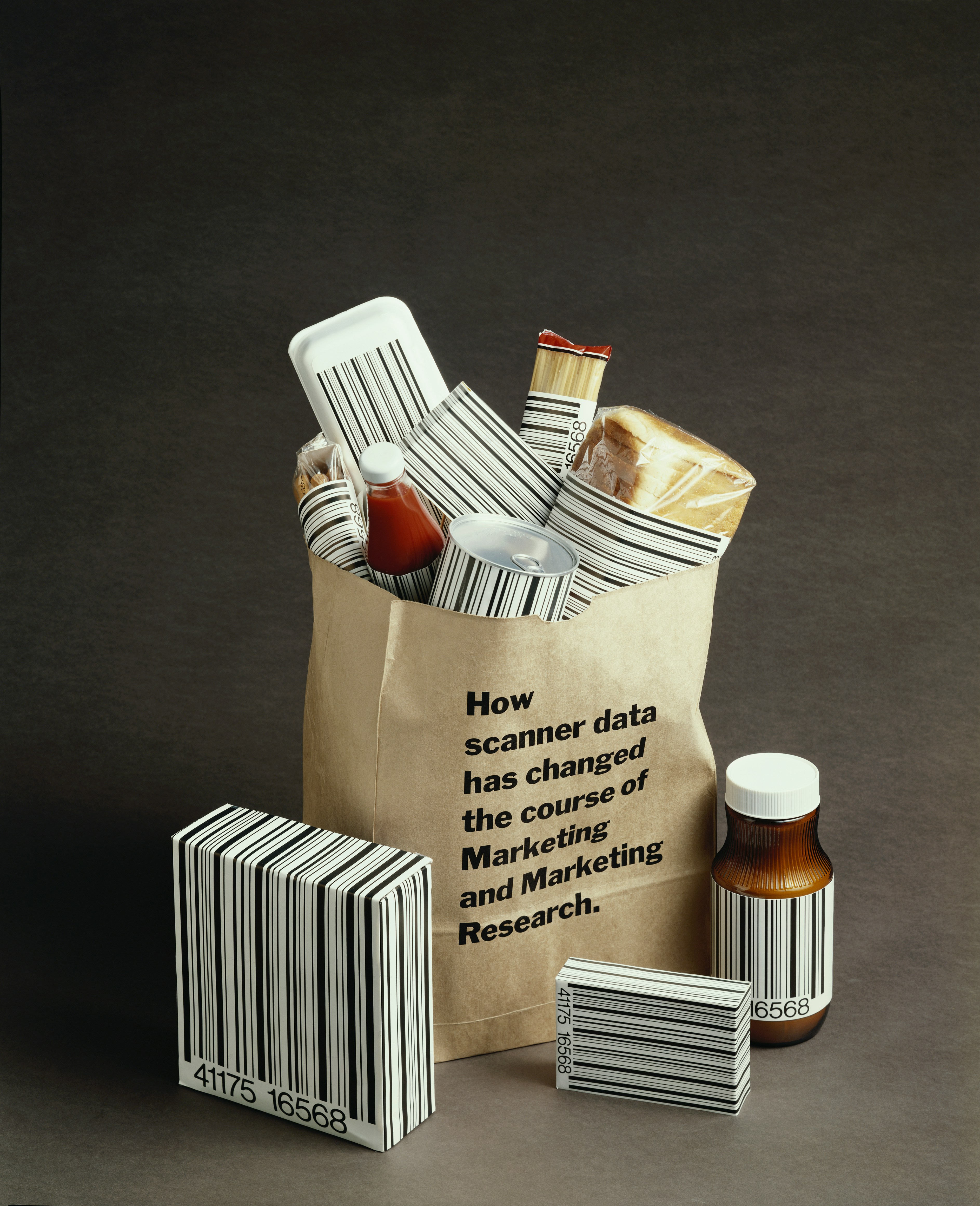
Voice Logging vs Barcode Scanning: Which Is Faster
Voice logging beats barcodes for restaurant and home-cooked meals, while barcodes only nail packaged food. See which is faster for how you actually eat.
-
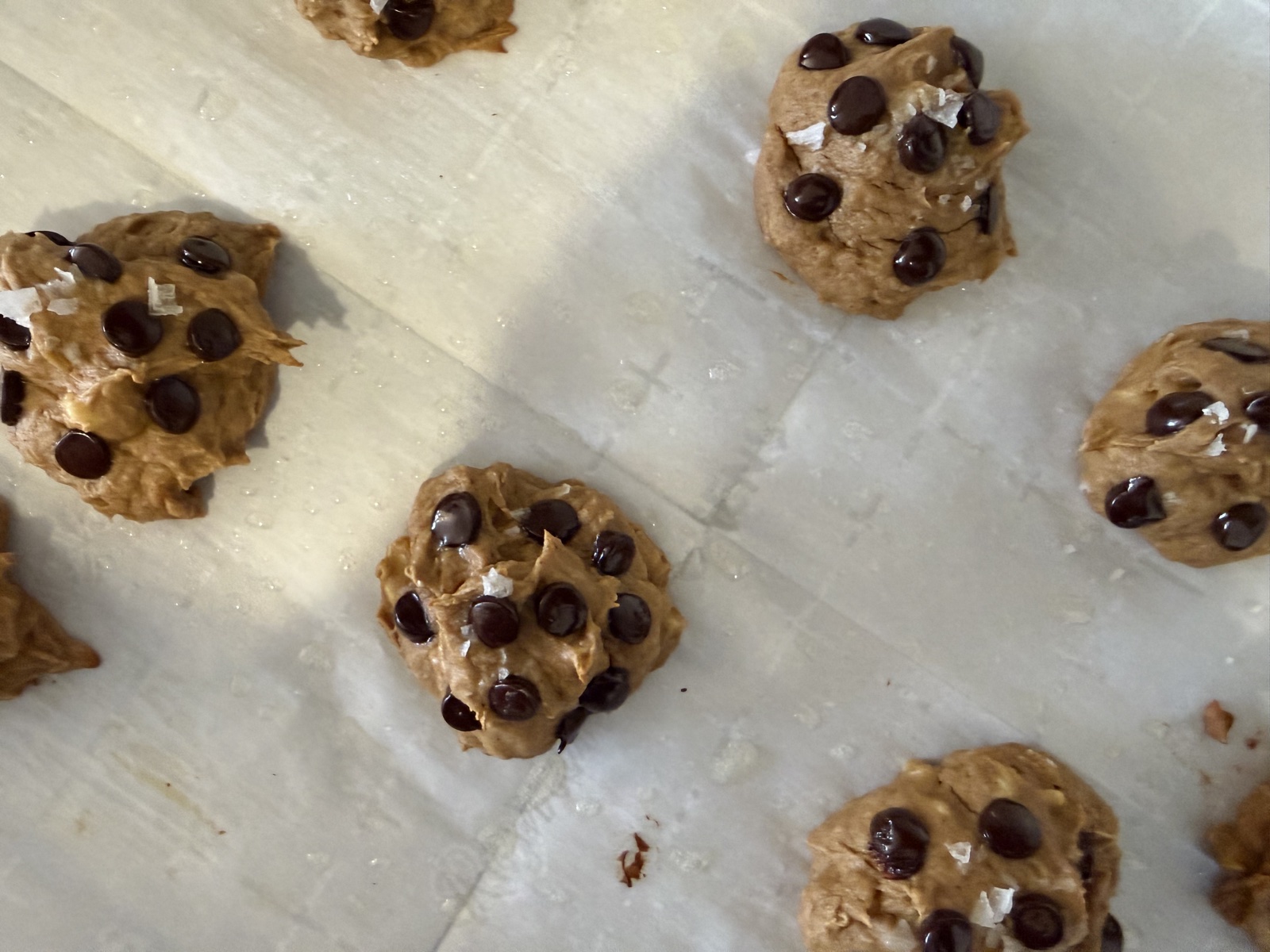
3-ingredient banana protein cookies
Two spotty bananas, three scoops of protein, a bag of PBfit. Out of the oven in ten minutes and somewhere between cake and cookie.
-

Coming Off a GLP-1: Keep the Weight Off, Hold Strength
Most people regain weight after coming off a GLP-1. Here is what the research shows happens next and how to hold the loss and the strength you built.
-

Why Your Macro Targets Should Change as You Lose Weight on a GLP-1
Most tracking apps set your calorie and protein numbers on day one and leave them there. After 25 pounds gone on a GLP-1, those numbers are obsolete. Here's what should be moving.
-
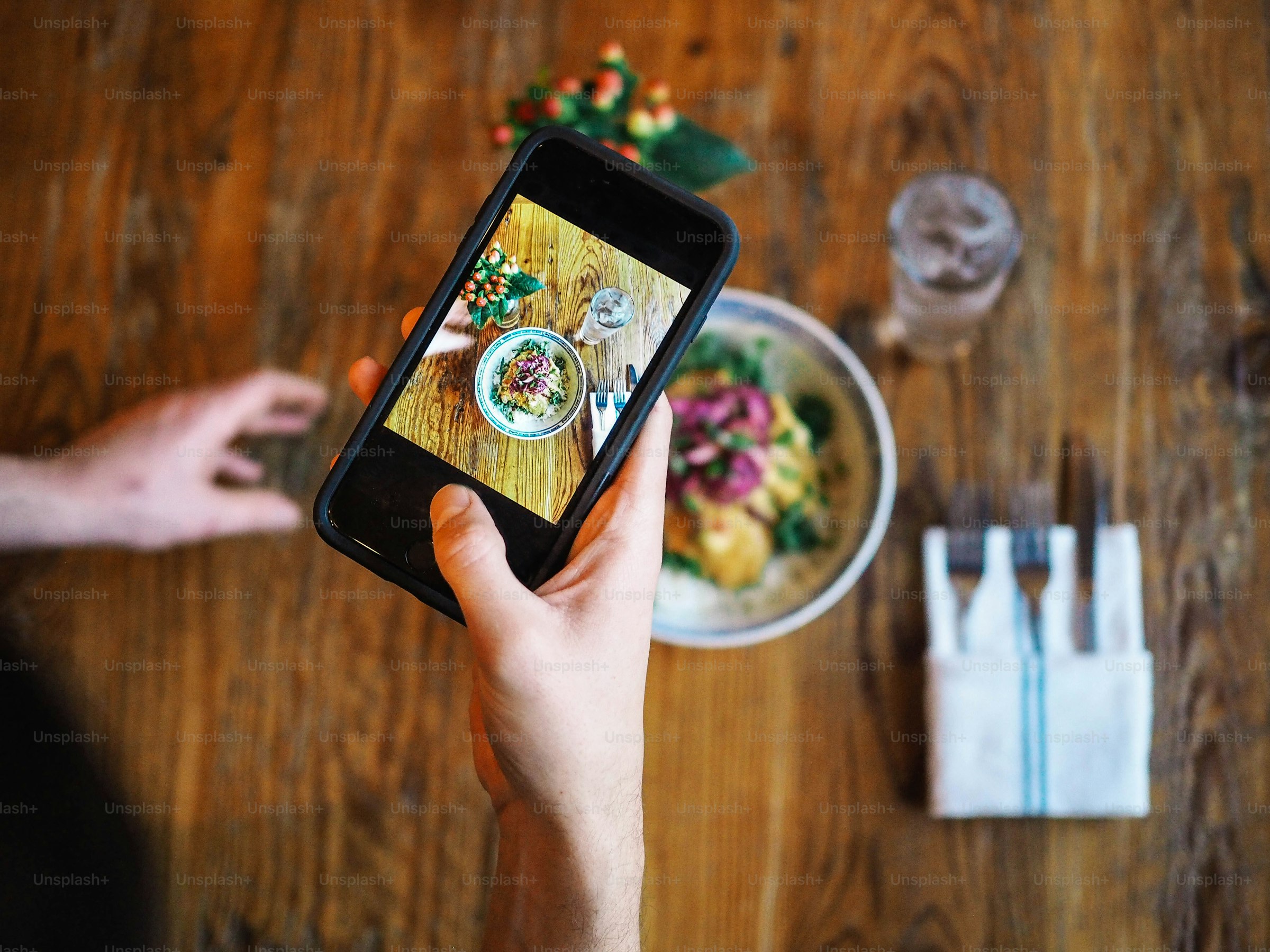
Why Photo Calorie Apps Fail for GLP-1 Users | TrakMac
Snap-a-photo calorie apps work on plated meals, not the small, dense protein servings GLP-1 users eat. Here is why they miss, and what to track instead.
-
Staying Strong on a GLP-1: Most Apps Get Protein Wrong
Mainstream guidance puts GLP-1 users at half a gram of protein per pound of bodyweight. For active people losing weight quickly, that floor is too low. Here's the math.
-

Pickleball, Hiking, Heavy Bags: Staying Capable on a GLP-1
Most GLP-1 advice frames muscle loss as a frailty problem for later. For active people, it's a capacity problem now. Here's how to keep doing the things that matter to you.
-
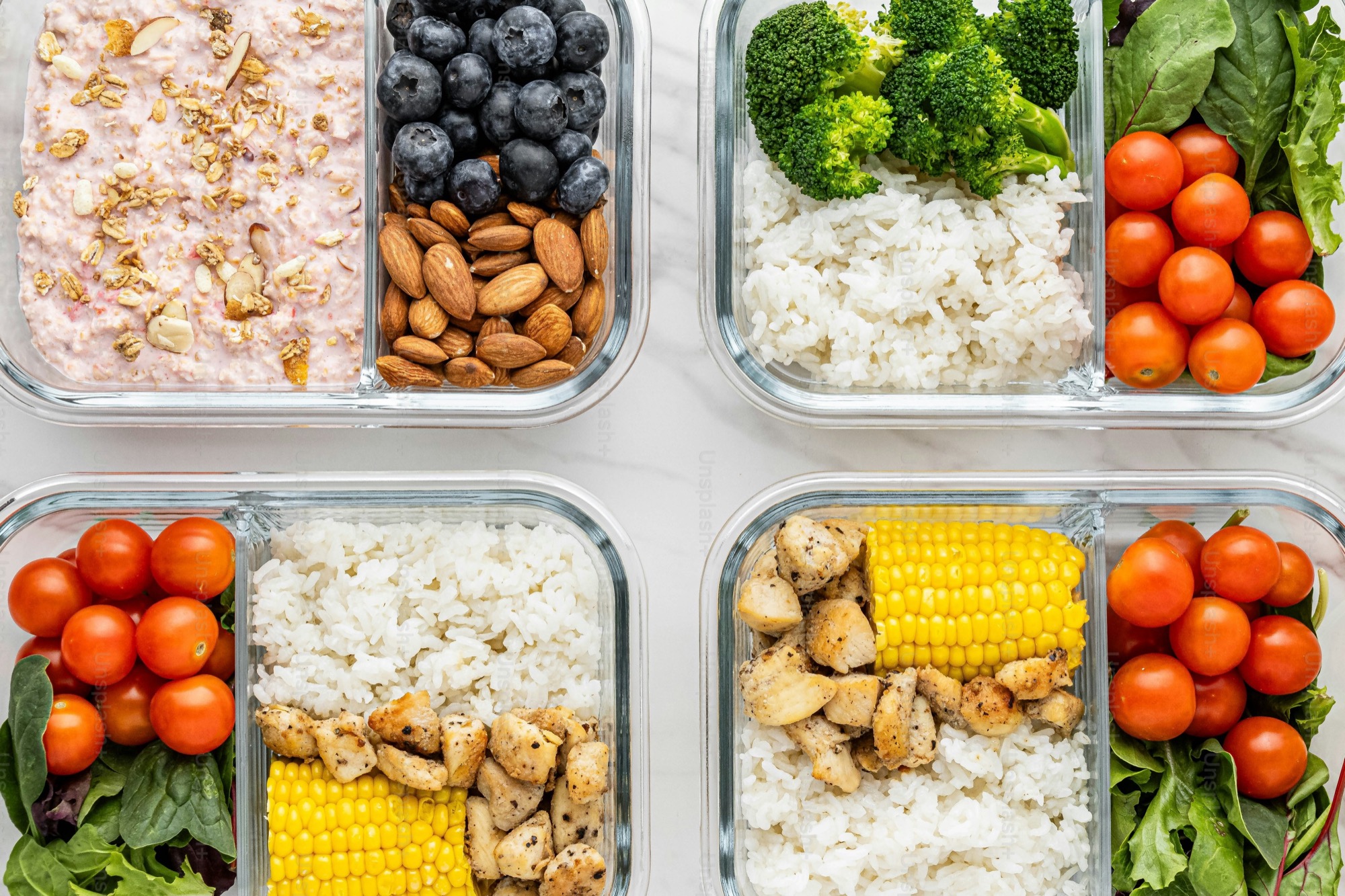
How to track macros without weighing every meal
Food scales are accurate. They're also the reason most lifters quit tracking by week three. Here's how to hit your macros without weighing every bite.
-
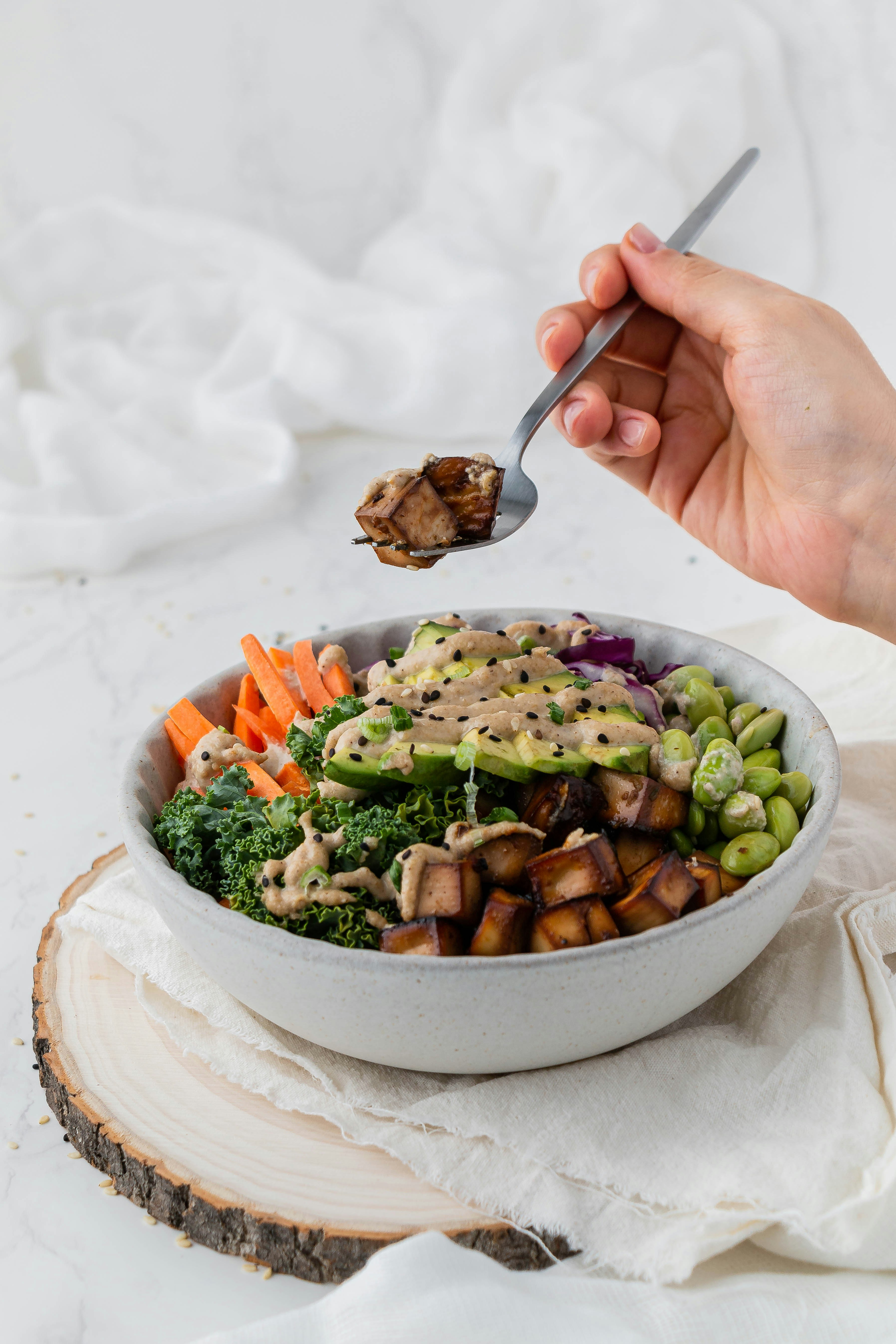
Voice Macro Tracking: Why Talking Beats Scanning | TrakMac
Voice macro tracking gets you from plate to logged in under ten seconds. See why describing a meal out loud beats barcode scans and manual database entry.
